Few winter destinations blend deep history, mountain drama, and culinary comfort quite like Georgia in February. From wandering the historic streets and bustling cafes of Tbilisi to driving high up the winding Georgian Military Highway into sub-zero alpine passes, the country feels like a winter postcard waiting to be discovered. Here is what it was like exploring Georgia in the dead of winter, from fortress stops and local wine tastings to watching heavy snowfall blanket the Greater Caucasus peaks.
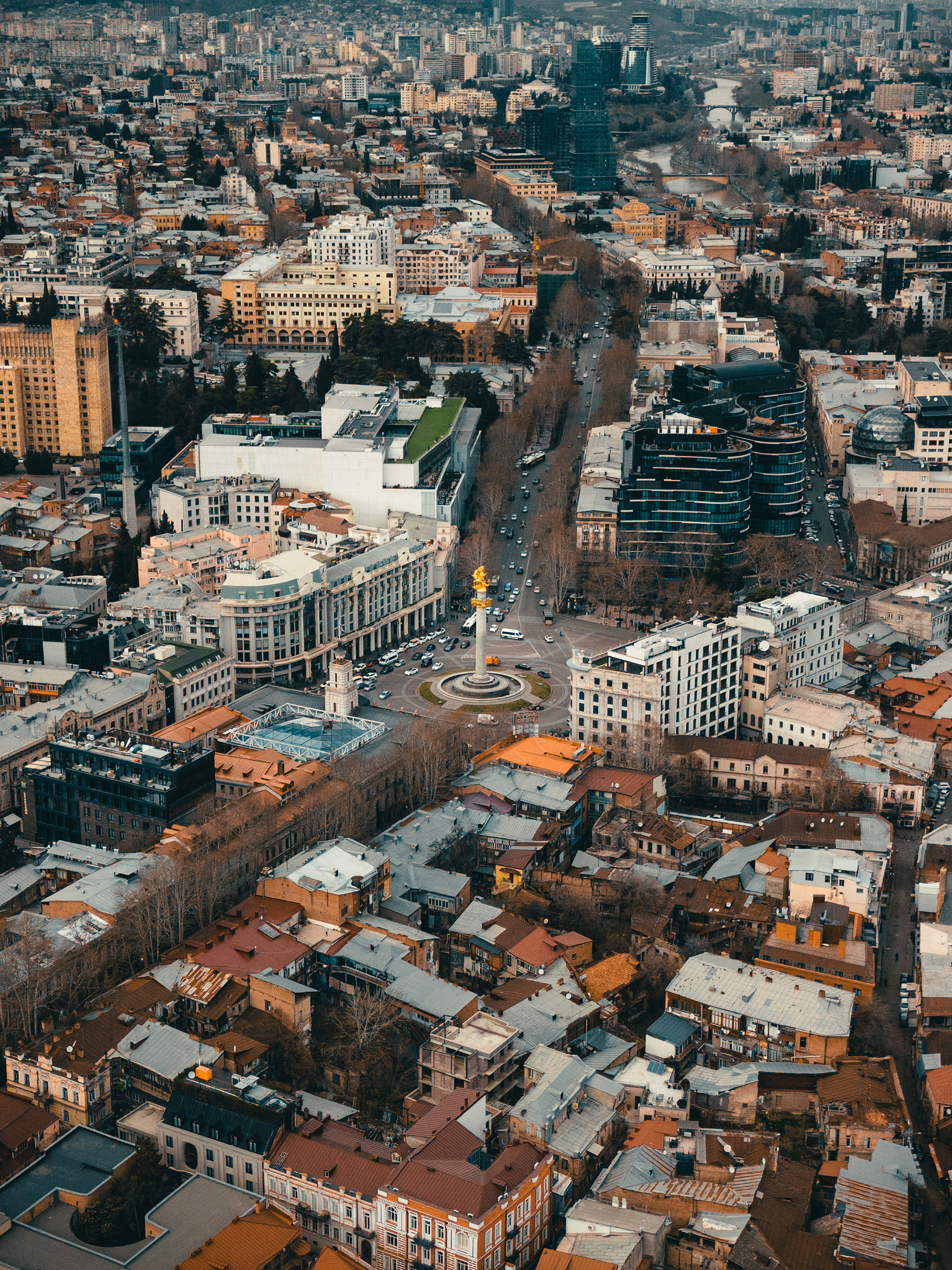
1. Tbilisi: Cobblestone Walks and Comfort Food
Tbilisi is an incredible base to start any Georgian trip. The city has an easygoing rhythm in the winter: steam rising from the bathhouses, quiet alleys lined with carved wooden balconies, and vibrant cafes on every corner.
Getting Around: Navigating Tbilisi was straightforward and affordable using the Bolt app. Cabs arrive within minutes and cost very little, making it simple to bounce between neighborhoods without worrying about the winter chill.
The Food Scene: Georgian comfort food is made for cold weather. Warm, cheese-filled khachapuri straight out of the oven became a daily staple, along with steaming khinkali (soup dumplings). While traditional meat and chicken dishes are everywhere, vegetarian choices like cheese pies, mushroom khinkali, and bean stews made dining out easy and satisfying.
Wine Culture: You cannot visit Georgia without immersing yourself in its wine history, one of the oldest in the world. Sampling local amber and red wines throughout the trip gave a genuine taste of traditional qvevri clay-pot winemaking.
2. The Georgian Military Highway & Ananuri Fortress
Leaving Tbilisi, our group tour headed north along the legendary Georgian Military Highway, a mountain route that has connected Europe and Asia across the Caucasus for centuries.
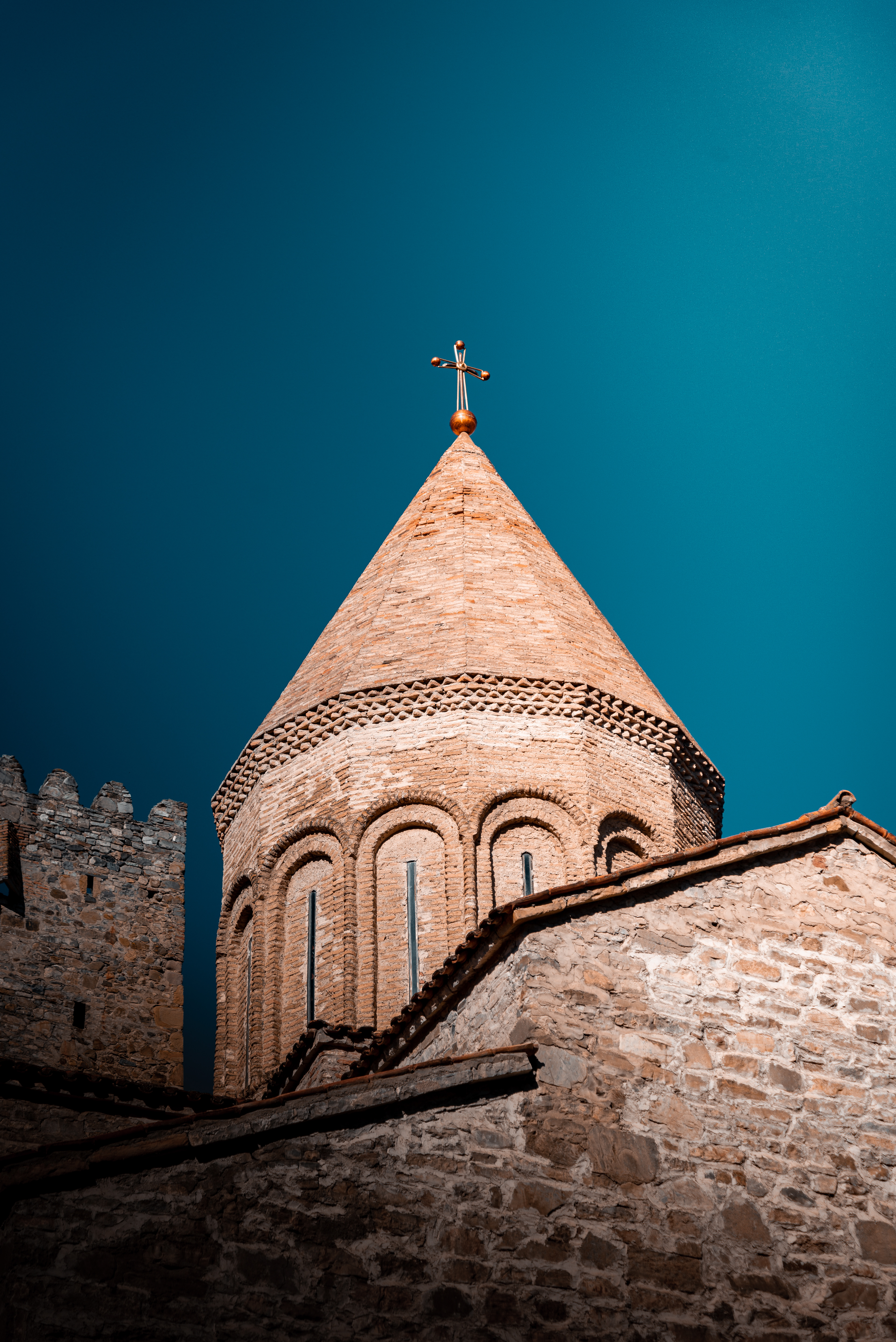
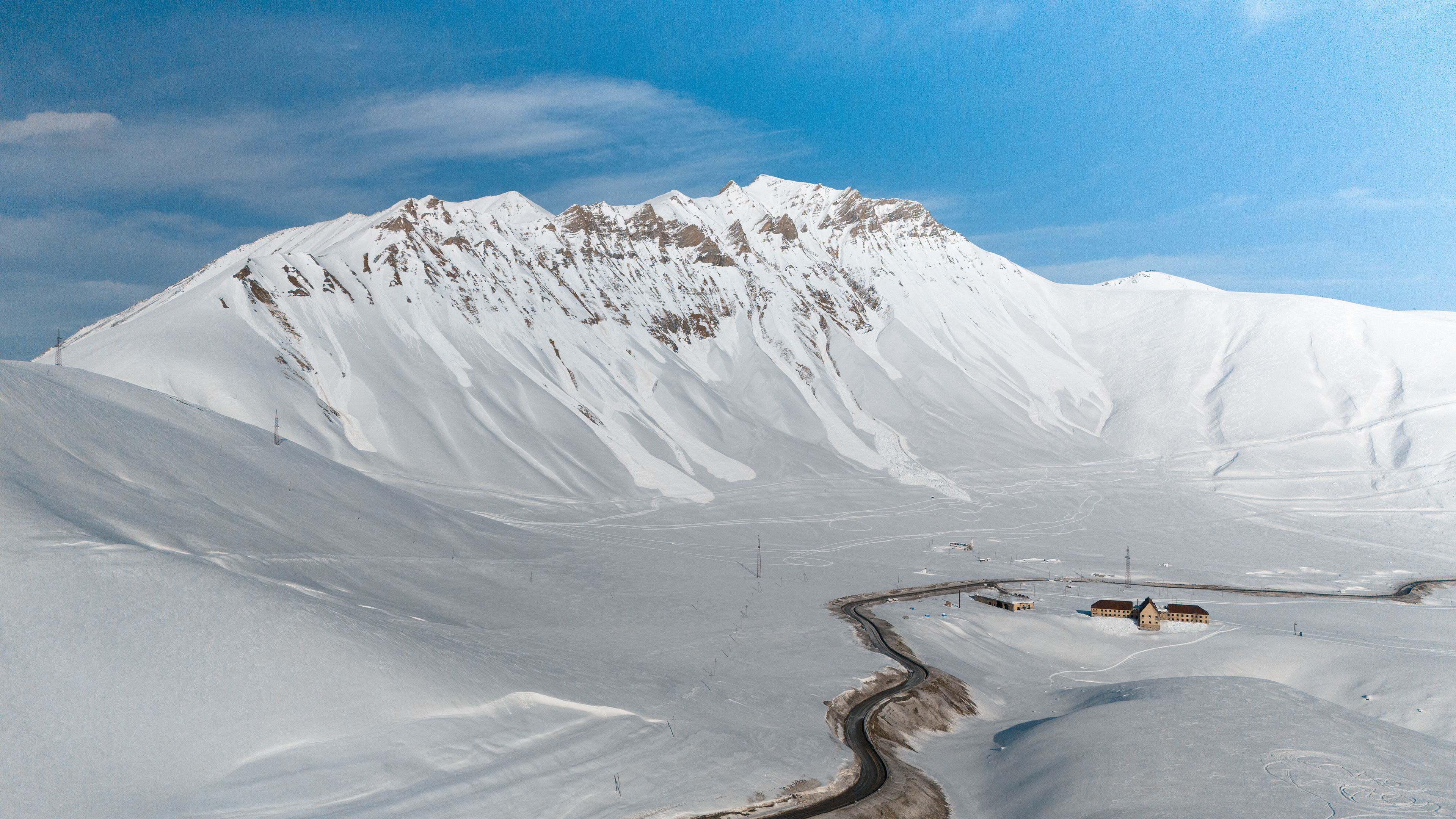
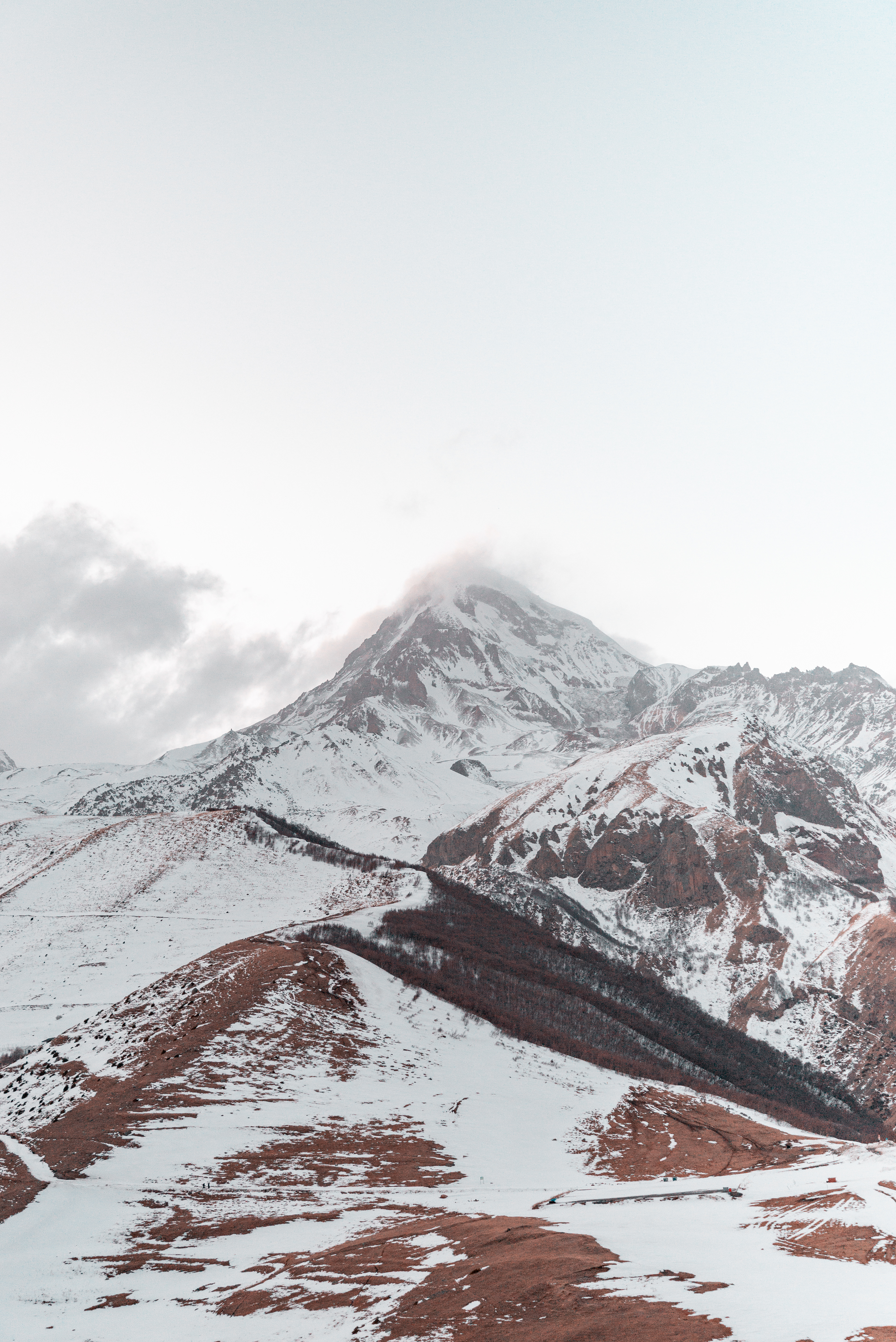
Our first major stop was Ananuri Fortress, perched right above the Aragvi River. Walking through the stone battlements and 17th-century towers with the cold winter air whipping off the water felt like stepping straight into medieval history. As we climbed higher into the mountain pass, the surrounding hills quickly transitioned from bare brown earth to thick, blinding white snow.
3. Under Mount Kazbegi: Gergeti Trinity Church
Continuing past the Jvari Pass brought us to the town of Stepantsminda (Kazbegi), sitting in the shadow of Mount Kazbegi.
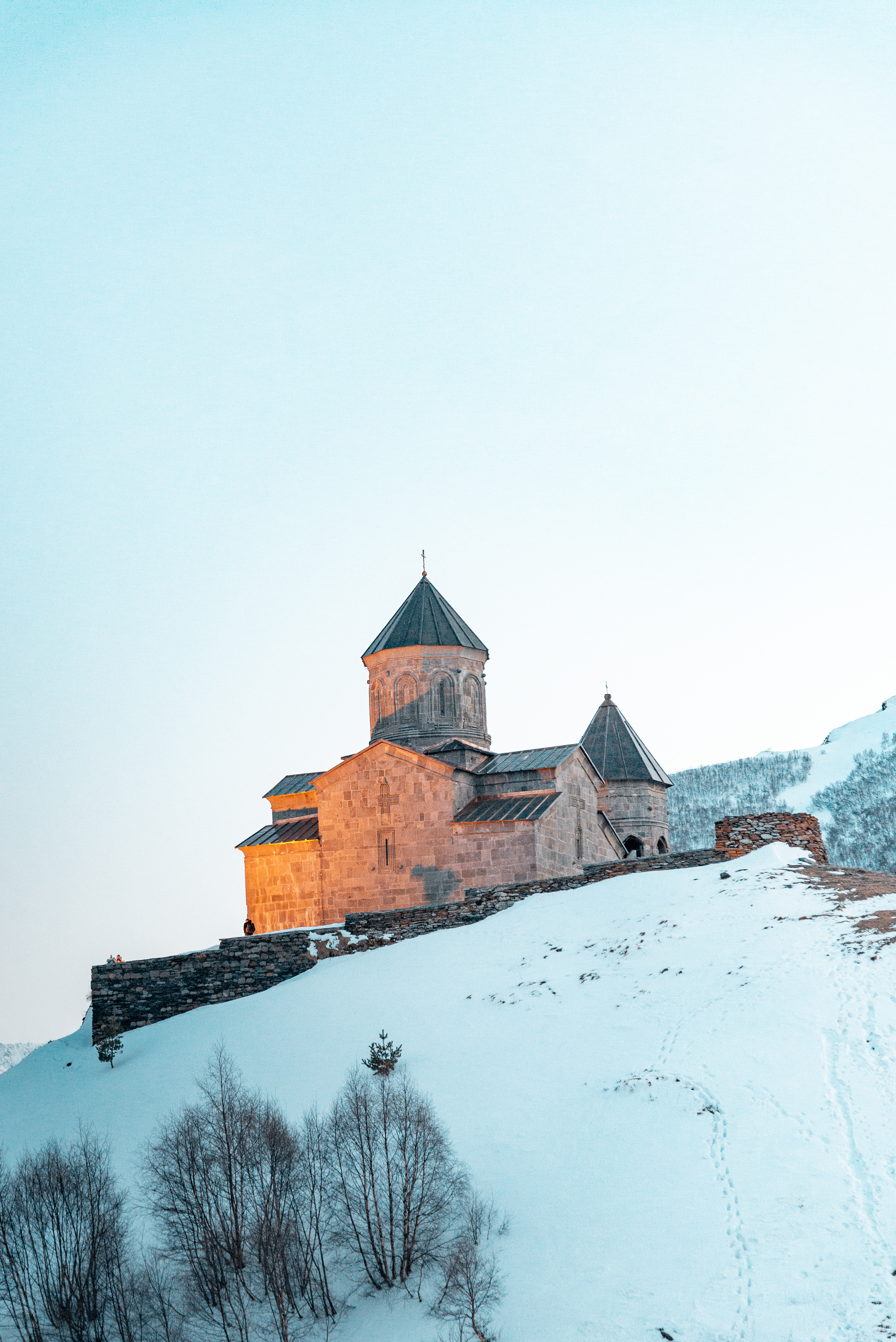
High on an isolated promontory above the town sits the 14th-century Gergeti Trinity Church. Seeing this solitary stone church surrounded by massive, snow-capped Caucasus peaks is one of the most iconic sights in the entire region. In the quiet of winter, stripped of summer crowds, the silence and scale of the mountain bowl around it feel truly monumental.
4. Fresh Snowfall at the Gudauri Friendship Monument
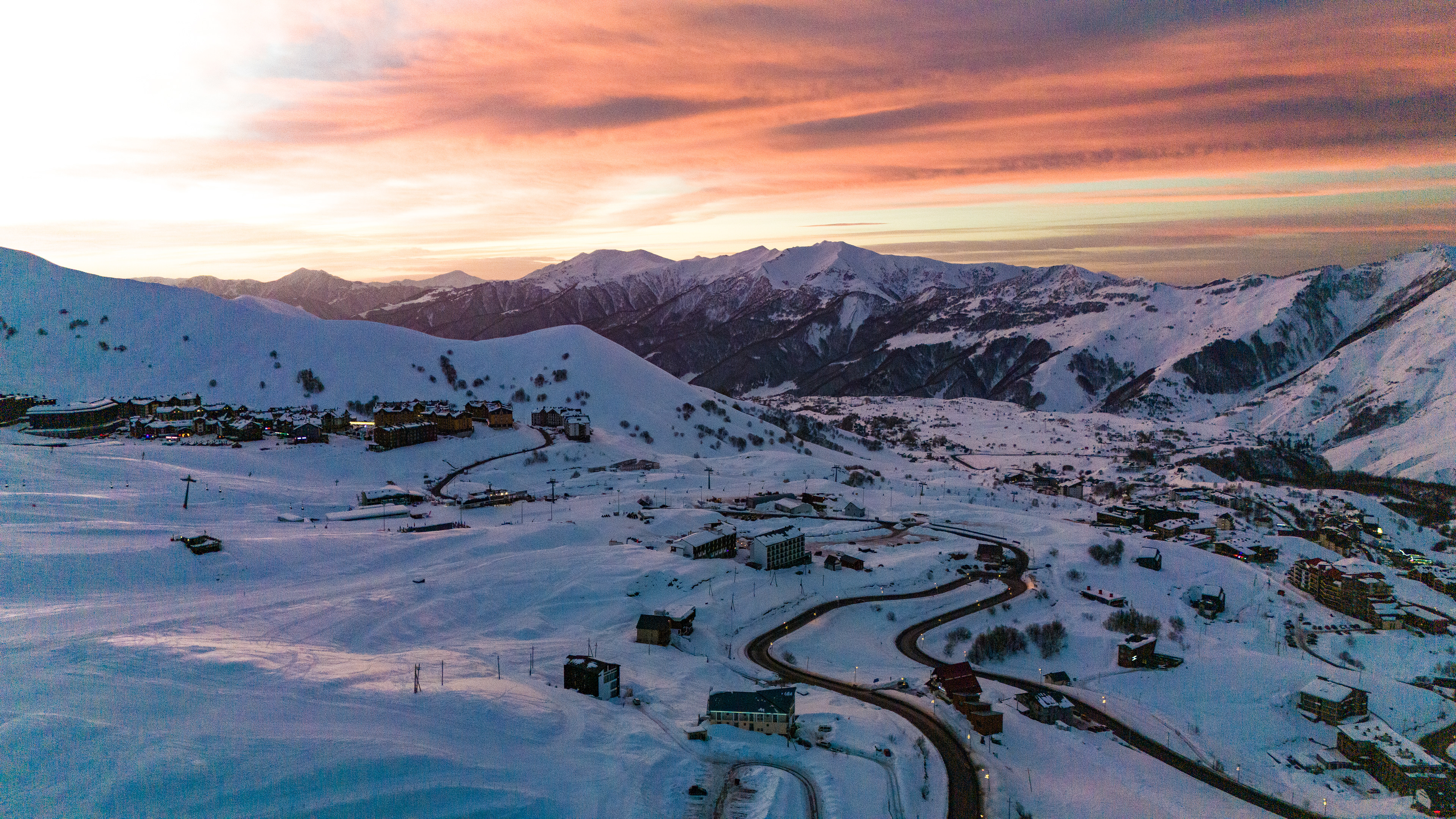
Staying overnight in Gudauri put us right in the heart of winter ski country, but the defining moment of the entire journey happened at the Russia-Georgia Friendship Monument (Treaty of Georgievsk Monument).
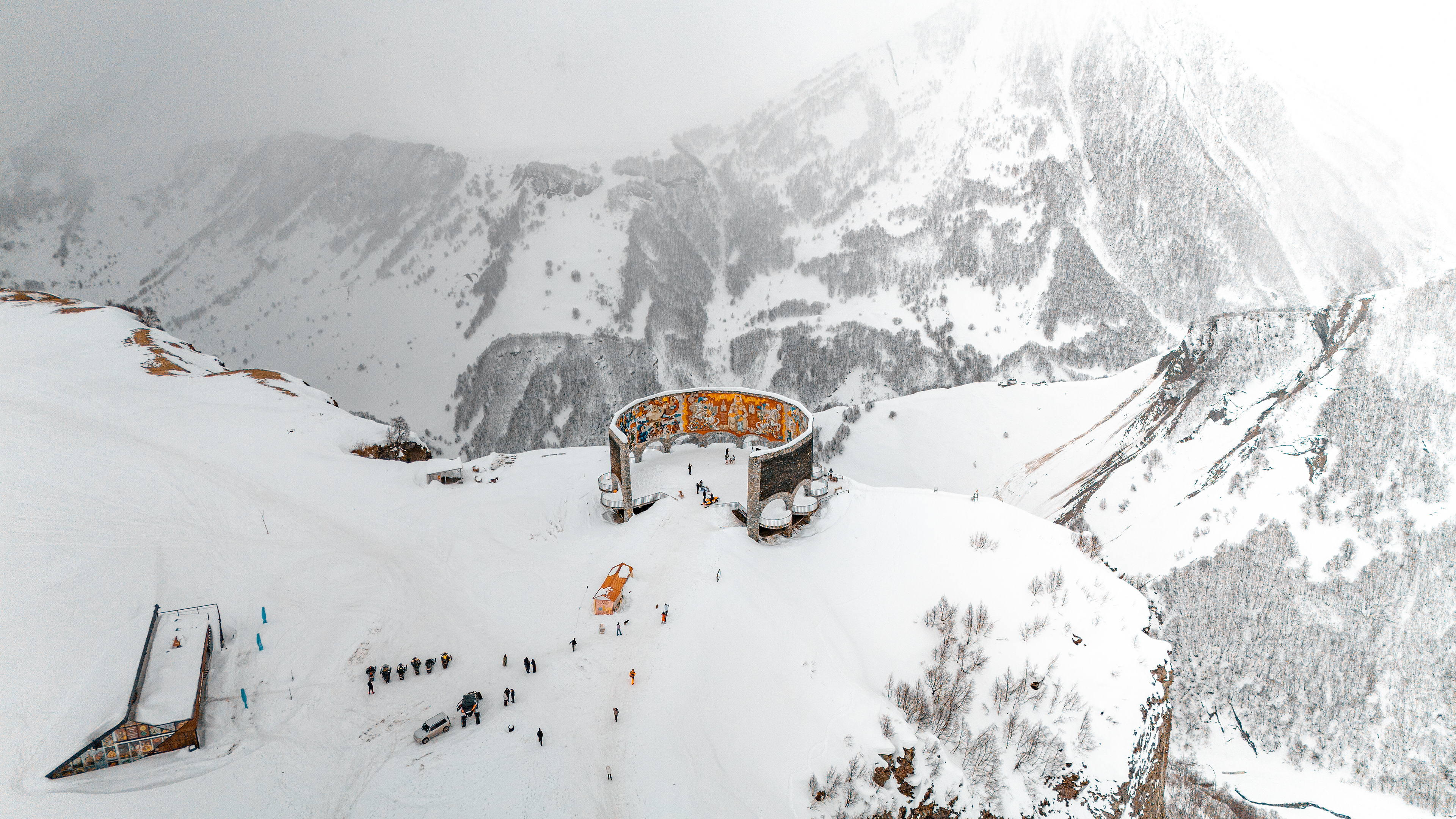
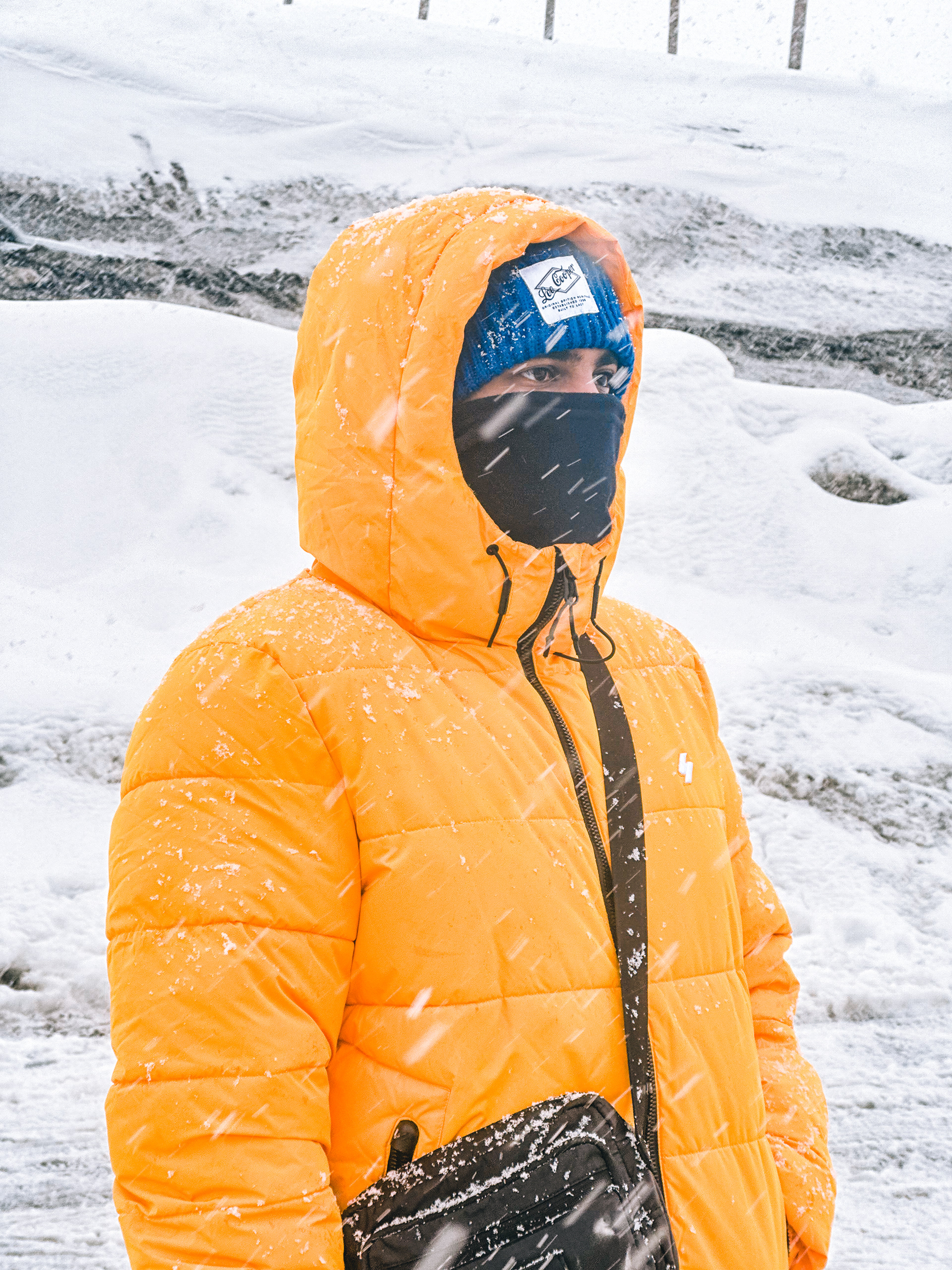
Perched right on the edge of a sheer cliff overlooking the Devil’s Valley, the massive, curved concrete monument is covered inside with vibrant Soviet-era tile mosaics. As we stood along the edge looking into the valley, fresh snowfall started drifting down, swirling around the brightly colored tiles and dropping visibility until the surrounding mountains blended into pure white. Standing there in the silent, falling snow was an unforgettable visual highlight.
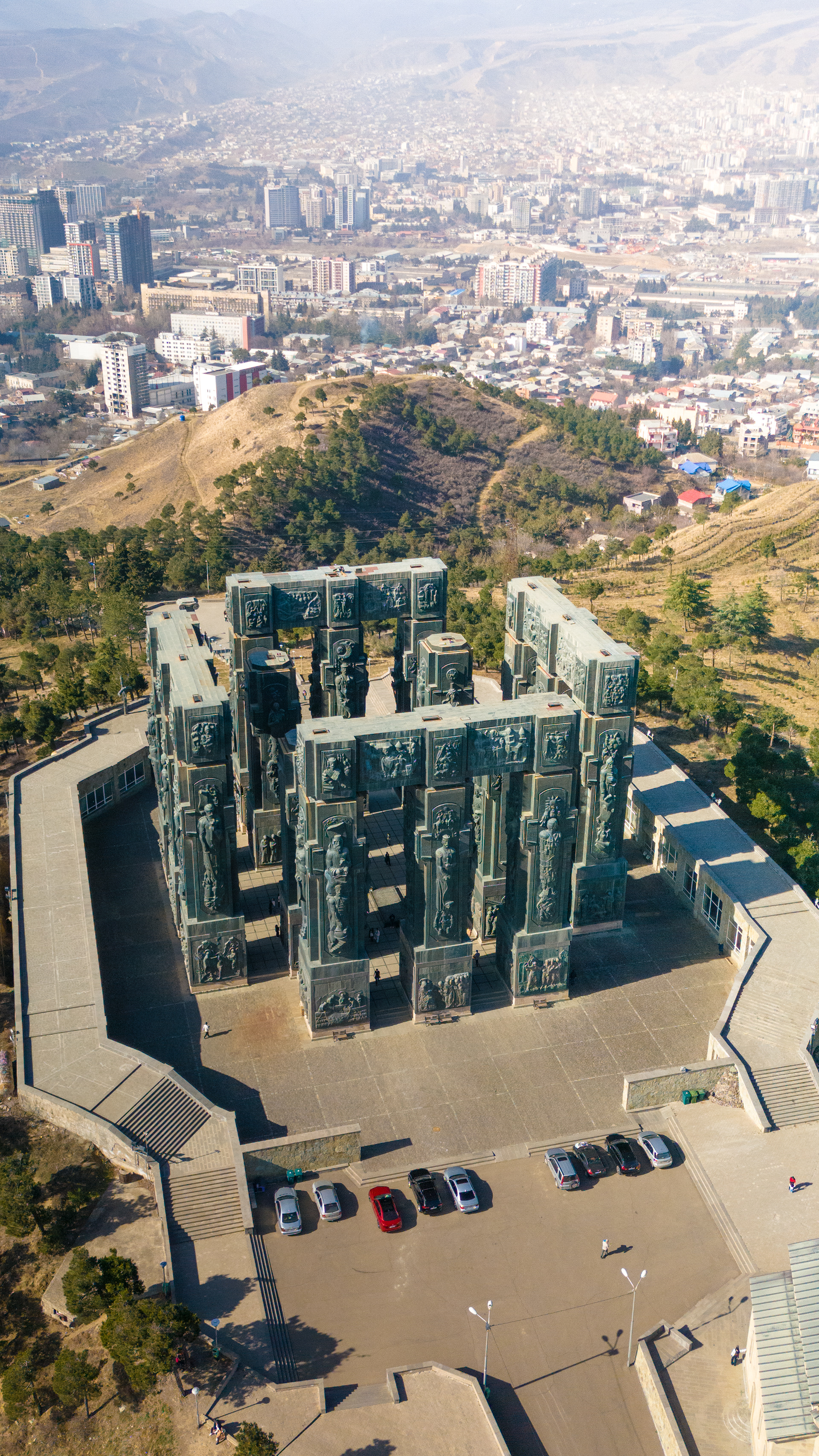
5. The Chronicle of Georgia
Returning toward the capital, we took a detour up a quiet promontory near the Tbilisi Sea to see one of the most imposing modern monuments in the Caucasus: The Chronicle of Georgia. Often dubbed "Georgia's Stonehenge," this colossal open-air monument was envisioned by sculptor Zurab Tsereteli in the 1980s.
Massive Proportions: The complex consists of 16 towering pillars: each soaring over 30 meters high"crafted from dark bronze, copper, and volcanic stone. The lower tiers are carved with detailed reliefs chronicling the life of Christ and biblical events, while the towering upper sections depict the monarchs, poets, and military figures who forged Georgian identity over thousands of years.
The Atmosphere: The hilltop is open, breezy, and far less crowded than the central city squares. Standing at the base of the massive monoliths against a winter sky feels surreal, offering sweeping 360-degree views looking down over the sprawling waters of the Tbilisi Sea and the northern ridgelines of the city.
6. Holy Trinity Cathedral (Sameba)
Returning to the capital, visiting the Holy Trinity Cathedral (Sameba) puts the sheer ambition of modern Georgian architecture into perspective. Dominating the skyline from Elia Hill in the Avlabari district, it stands as one of the largest Orthodox cathedrals in the world.
The cathedral grounds are vast and peaceful. Inside, the soaring granite columns, flickering beeswax candles, and quiet grandeur contrast with the cold outside, while the terraces offer a sweeping view back toward the historic quarters of the city.
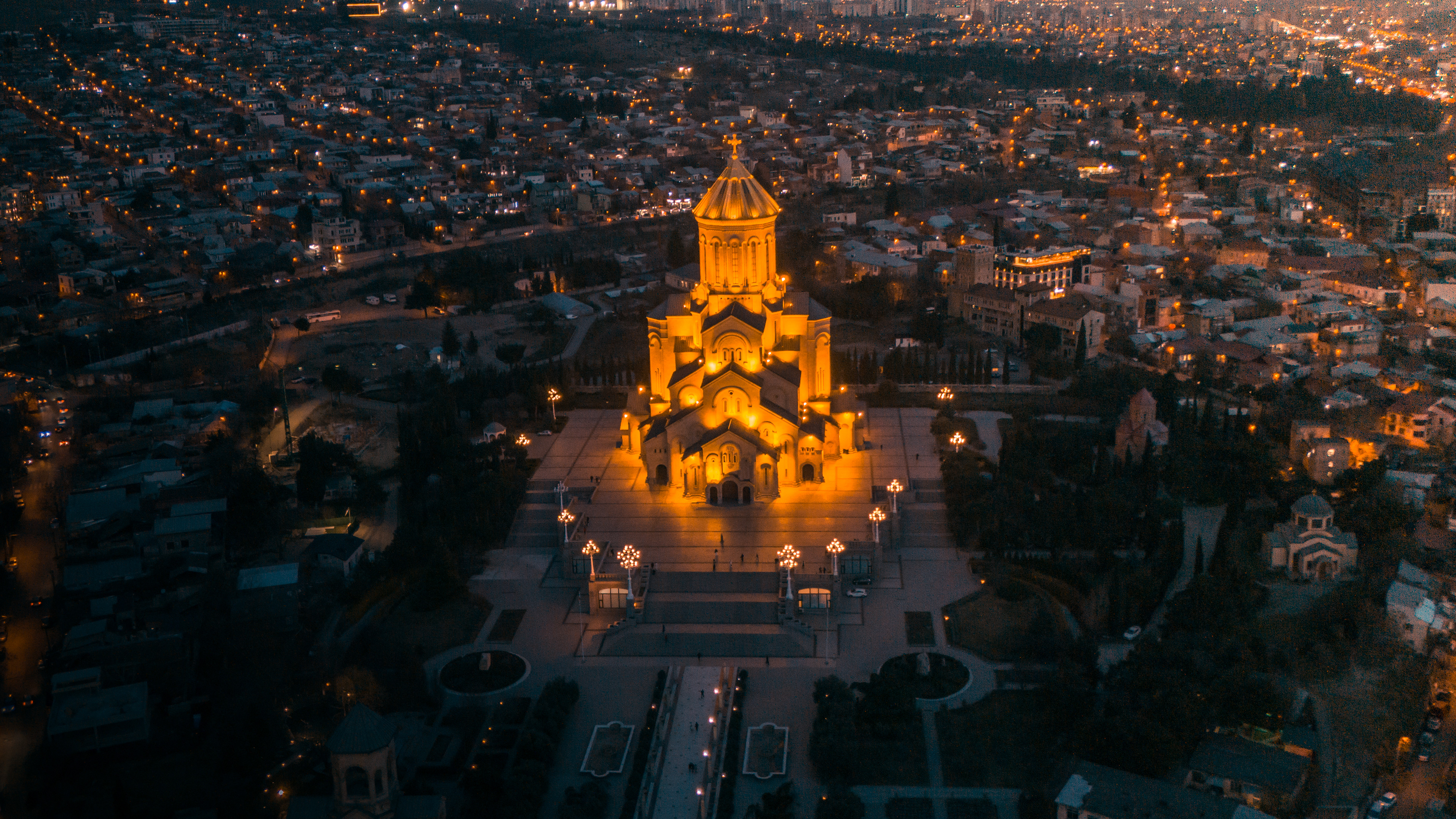
7. Mother of Georgia (Kartlis Deda)
Perched high atop Sololaki Hill, the 20-meter aluminum statue of Kartlis Deda (Mother of Georgia) is the defining silhouette of the Tbilisi skyline. Erected in 1958 for the city's 1,500th anniversary, the figure captures the essence of the Georgian national spirit:
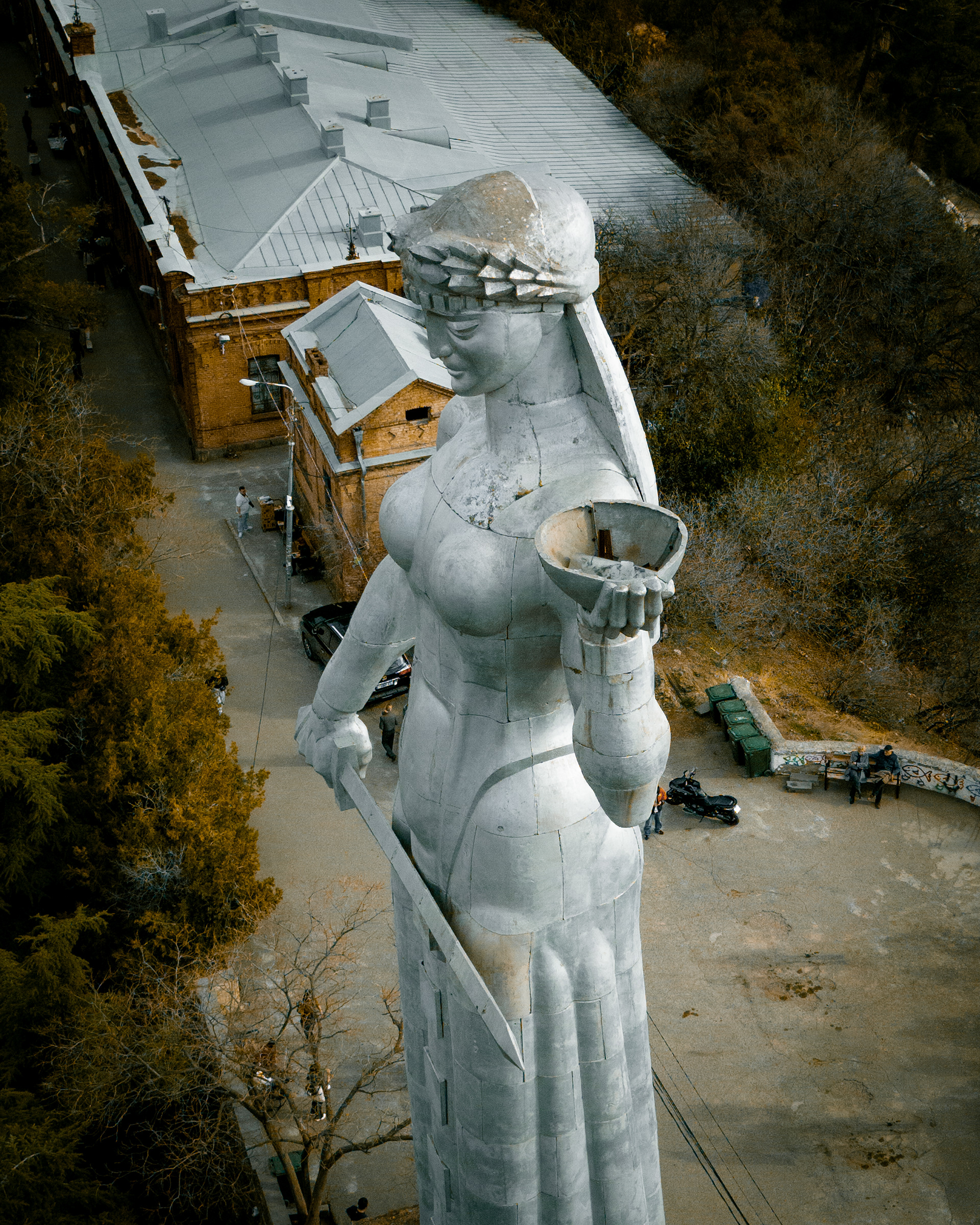
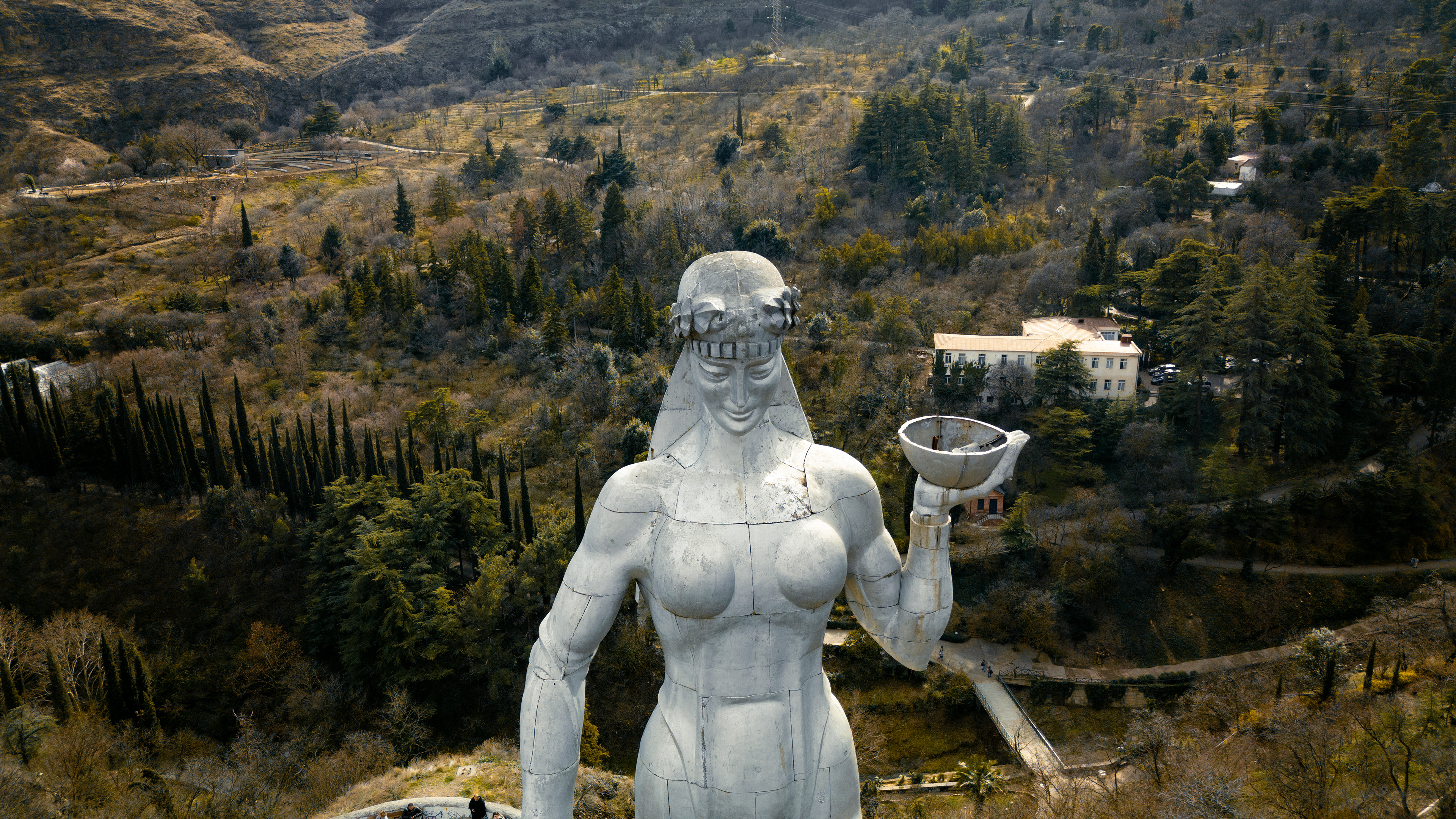
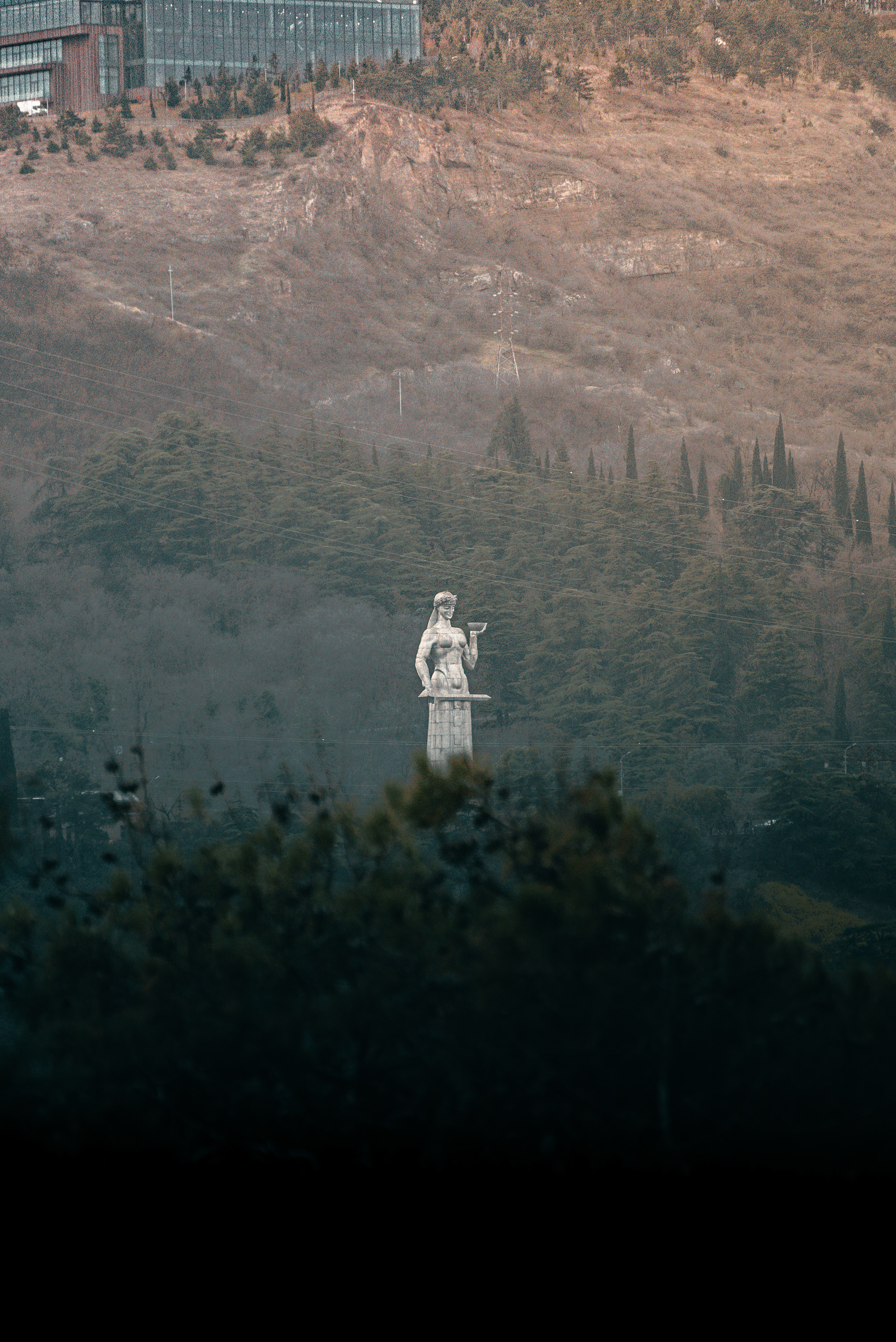
The Dual Symbolism: In her left hand, she holds a bowl of wine to welcome friends, guests, and travelers; in her right hand, she grips a drawn sword to defend against invaders. It is the ultimate visual metaphor for Georgia’s legendary hospitality paired with centuries of fierce independence.
The Sololaki View: Taking the cable car up from Rike Park brings you right to her base. From the windy ridge, you get an unobstructed panoramic view across the terracotta roofs of the old quarter, the winding Kura River, and the distant dome of Sameba Cathedral on the opposite hill.
Practical Notes for Visiting Georgia in Winter
City vs. Mountain Transport: Use Bolt for getting around Tbilisi, it is reliable and very wallet-friendly. For the mountain passes up to Gudauri and Kazbegi, joining a guided group tour or hiring an experienced mountain driver with winter tires/chains is essential, as mountain passes can see rapid weather shifts and sudden closures.
Overnight in the Mountains: Rather than rushing Gudauri and Kazbegi as a single long day trip from Tbilisi, staying a night in Gudauri allows you to catch the mountain light without racing daylight hours.
Winter Layers: A windproof down jacket, thermal base layers, and waterproof boots with solid traction are must-haves for walking around snowy cliff edges like the Friendship Monument and Gergeti Church.